All Categories
Featured
Table of Contents
Boosting economic growth has become the defining objective of the Labour Government's technique to policy and guideline, with financial services positioned as an essential sector in meeting this aspiration. Over the past year, this focus has translated into a series of regulative and policy interventions designed to enhance competitiveness, unlock financial investment, and recalibrate the balance in between consumer defense and market involvement.
The publication of the in July offered a clear declaration of intent, while the decision to desert prepare for a UK Green Taxonomy indicated a pragmatic divergence from the EU's approach to sustainable finance. While Brussels continues to embed its Taxonomy, both jurisdictions remain lined up in their pursuit of development or 'economic competitiveness', as it's typically framed at the EU level.
This is a brand-new structure permitting personal business shares to be traded on an intermittent basis. The Chancellor's 2025 Autumn Budget plan announcement of a three-year Stamp Task Reserve Tax (SDRT) exemption for recently listed firms exhibited efforts to make London listings more attractive. Many in the industry think this modification will have limited impact on improving the number of UK companies selecting to go public at home, compared with listing in jurisdictions with more liquid markets and deeper capital pools most notably the United States.
It will enable firms to supply customized, non-individualised recommendations to defined groups of consumers with shared needs. Companies could encourage individuals with significant cash holdings to invest or support consumers making essential pension decisions without the expense and complexity of full guidance.
Refining Corporate Workforce Models Through Innovation
That stated, preliminary uptake is anticipated to be slow as firms come to grips with having the systems and consumer data required to precisely section groups. Alongside these efforts to promote investment, the Government is likewise coming to grips with the obstacle of keeping trust and self-confidence in the financial system. An upgraded National Scams Technique is anticipated in the coming months, with industry argument mainly centred on whether Huge Tech and telecoms firms need to bear greater obligation for fraud stemming on their platforms or networks.
While Labour signified a tougher position during the 2024 basic election campaign, current indications recommend that the Federal government will not include any financial compensation commitments for tech companies in the upcoming Scams Technique. This apparent recalibration shows not just domestic policy considerations however also wider geopolitical level of sensitivities, offered the United States ownership of numerous major innovation platforms and the present Trump administration's willingness to overtly challenge abroad regulative modifications perceived to disproportionately prevent United States interests.
These difficulties crossed capital markets and retail investment, affecting the complete spectrum of the policy and regulatory framework for monetary services ranging from prudential requirements to how firms support their consumers. Comprehending these advancements and engaging effectively with policymakers and regulators is key for firms aiming to remain ahead.
Whitehouse is well-versed in offering the expertise and insight required to do precisely that. For queries or to go over how we can support your service, please call us at: .
Most UK monetary services companies prepare to increase employing in 2026 with recruitment driven largely by the need for AI know-how, according to KPMG's UK Financial Solutions Belief Survey. The quarterly poll, which tracks belief of 150 sector leaders, discovered that over half (55%) expect to hire more personnel this year and more than 8 in 10 are positive about working with the abilities their companies requires in the very first quarter of 2026.
Key Methods to Scale UK Global Plans
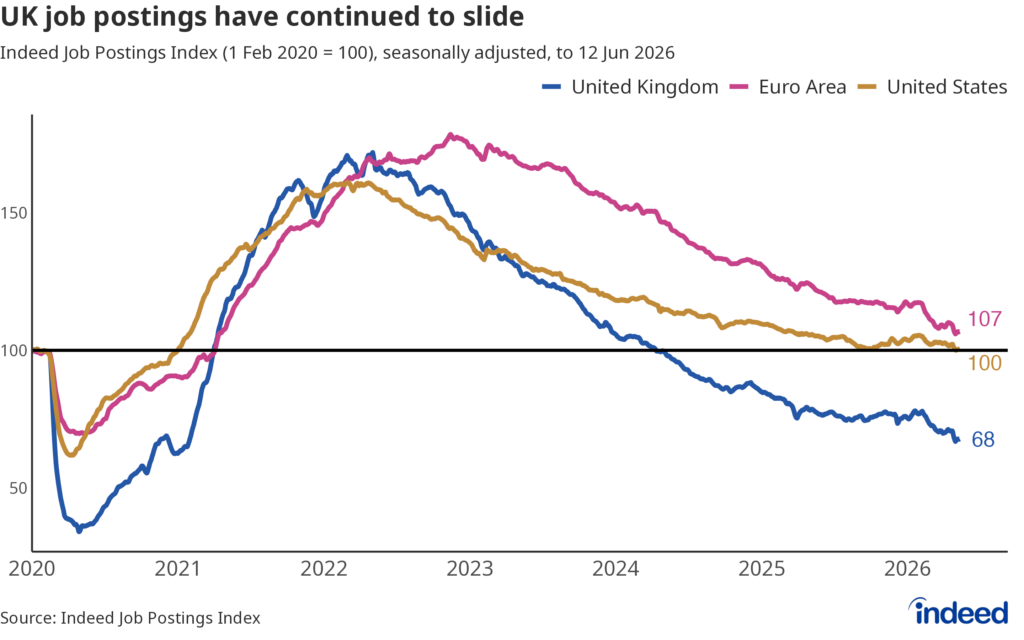
52% of firms employing in 2026 anticipate recruitment to concentrate on technologyAI abilities are most in need when it comes to employing beyond the sector and upskilling (pointed out as the greatest focus amongst 44% and 43% of respondents respectively)57% of those who are planning to increase Board level employing state getting AI abilities is the greatest focus this yearAI development is the 2nd greatest aspect influencing hiring choices for 2026 (25% of respondents), behind only the UK economic outlook (31%)Managing Director level was ranked the greatest recruitment top priority, while just 4% said apprenticeships will be a concern below 20% in December 2024 "Provided the broader decreasing tasks market, the reality that financial services, a sector that already creates 1 in 13 UK tasks, plans to work with more is a huge cause for optimism.

Latest Posts
Driving International Trade Growth for UK
Will UK Firms Outperform in 2026 Global Markets?
Navigating Global Trade Reports for 2026